 VIEW IMAGE
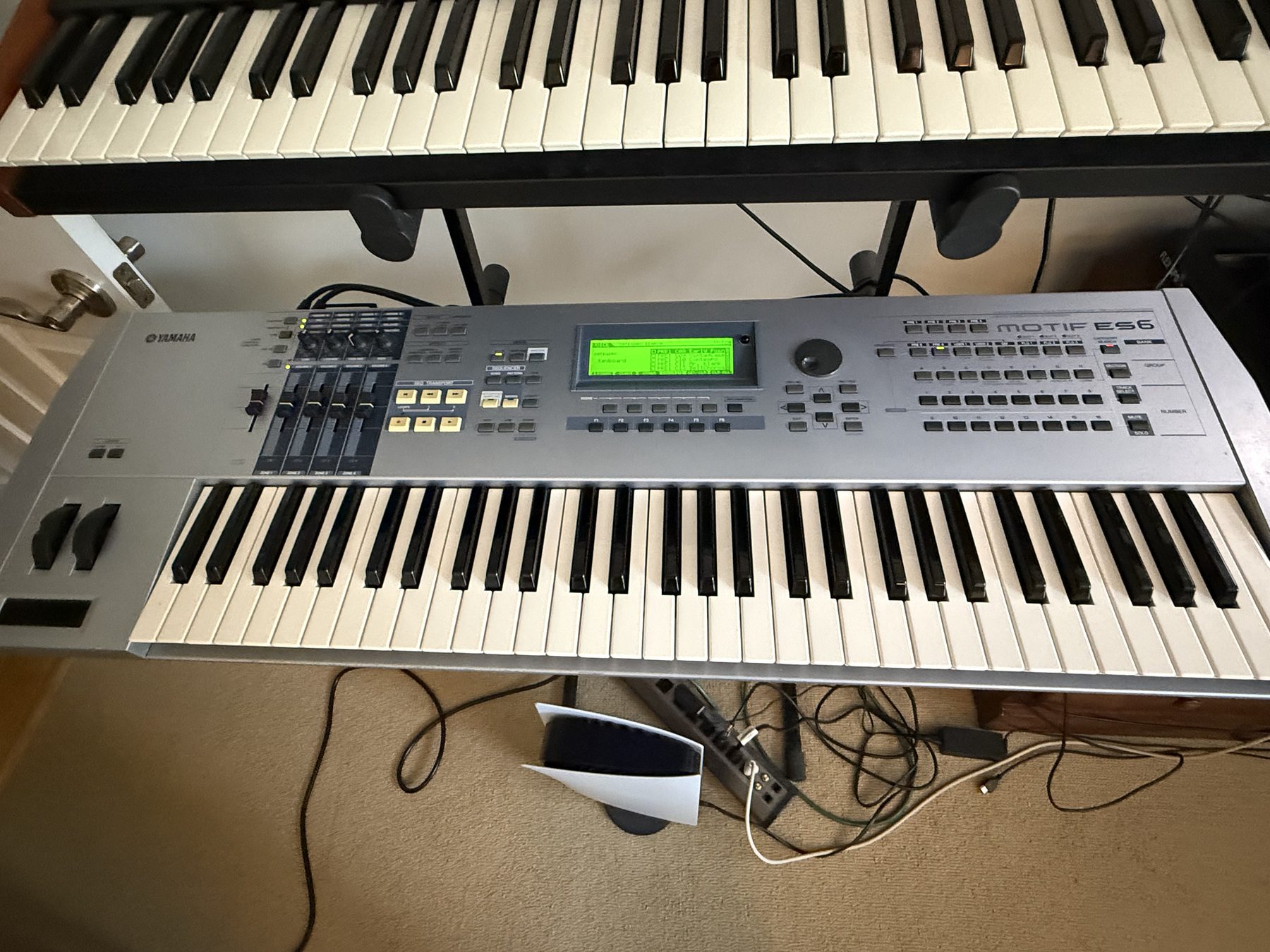
YAMAHA
MOTIF ES6
Lucho's favourite machine and go-to for classic patches, keys, pads, pianos, organs and musical FX.

Stamford, CT
 VIEW IMAGE
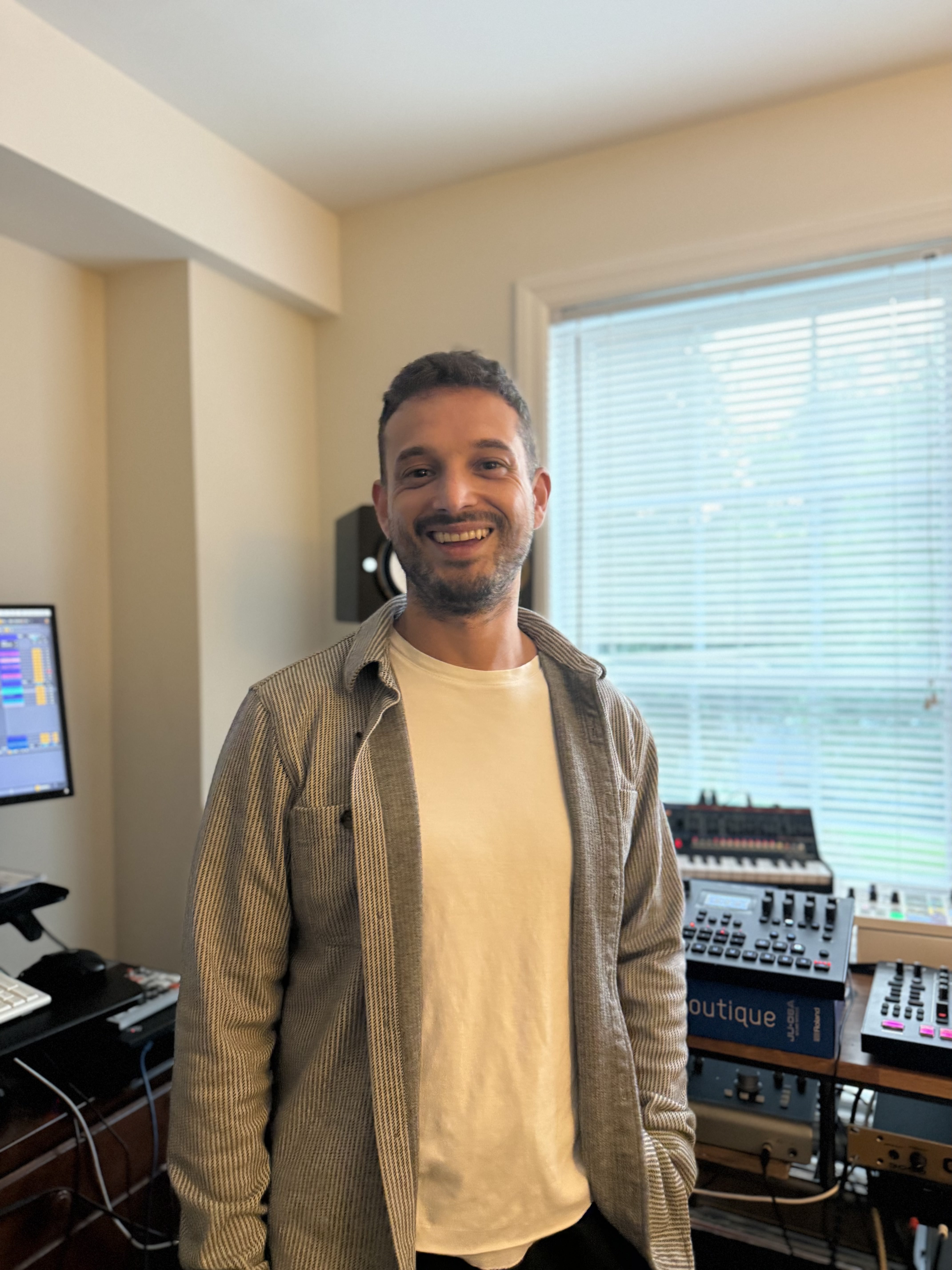
“Mainly use hardware to jam and record components that I then arrange into full playable club tracks.”
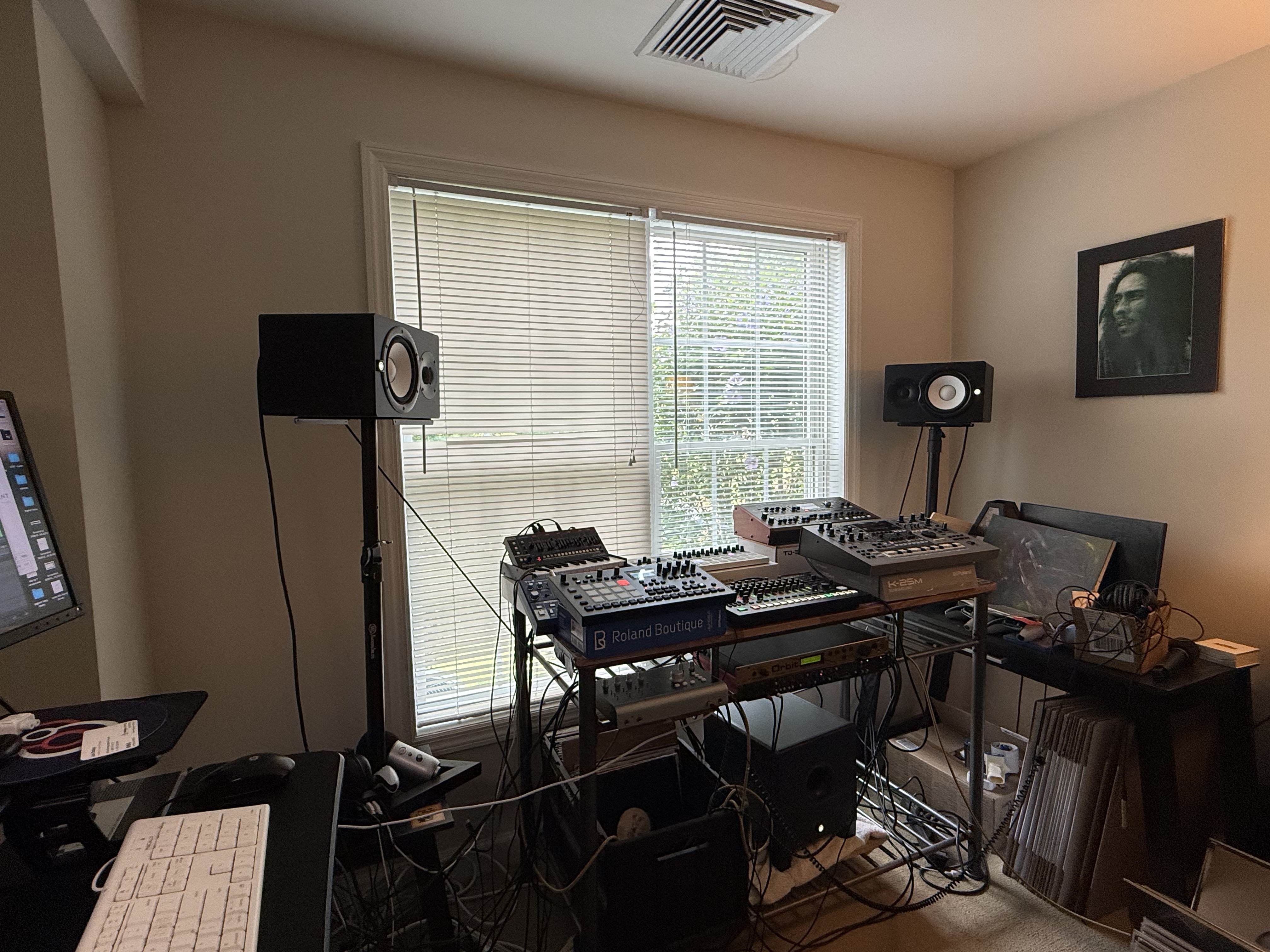
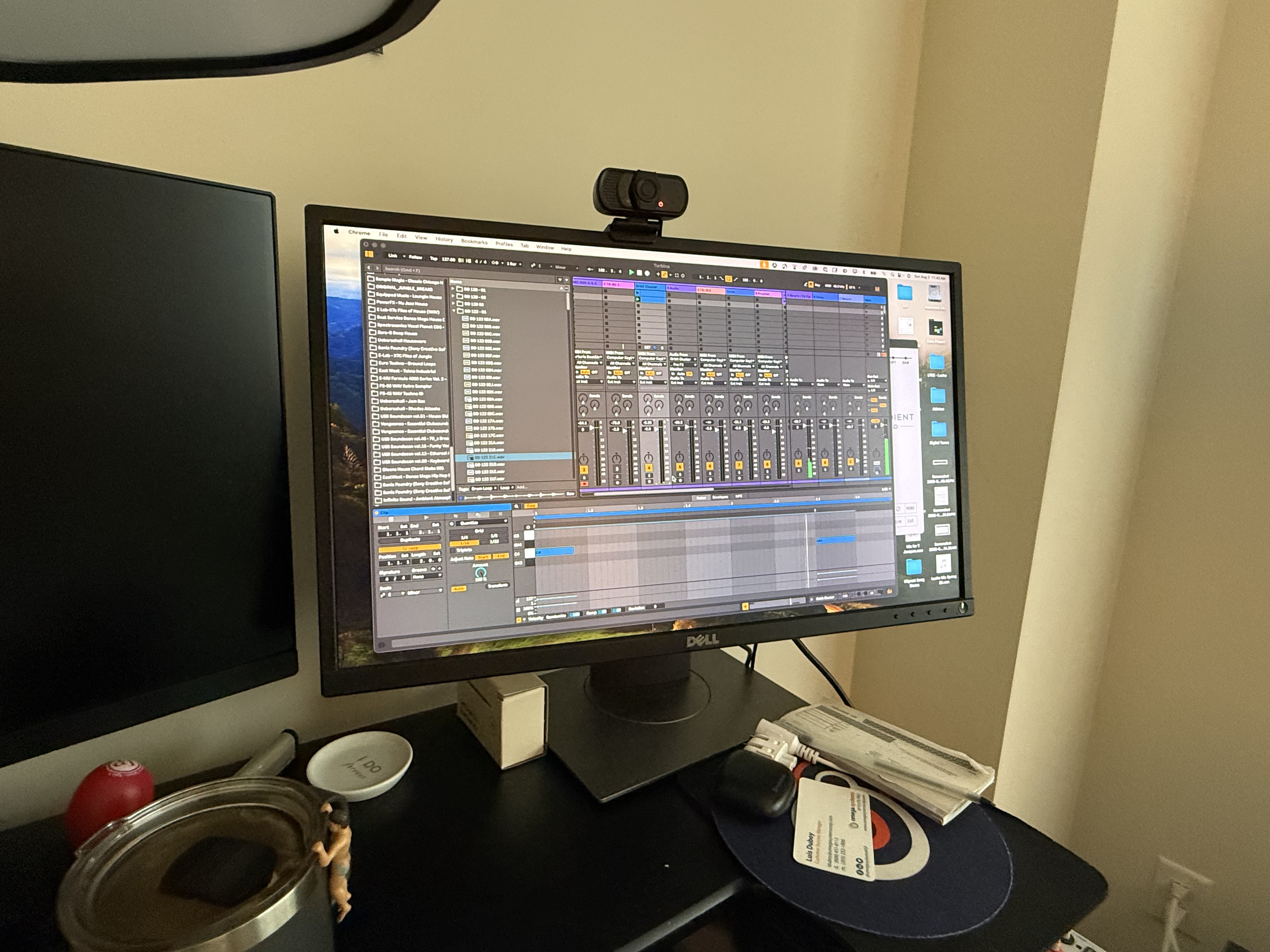
Lucho's studio is built around live interaction with hardware, improvisation and the transition from a jam into arrangement mode. Ableton Live 12 sits at the centre, while the external machines provide the sounds, rhythms and musical components.
 VIEW IMAGE
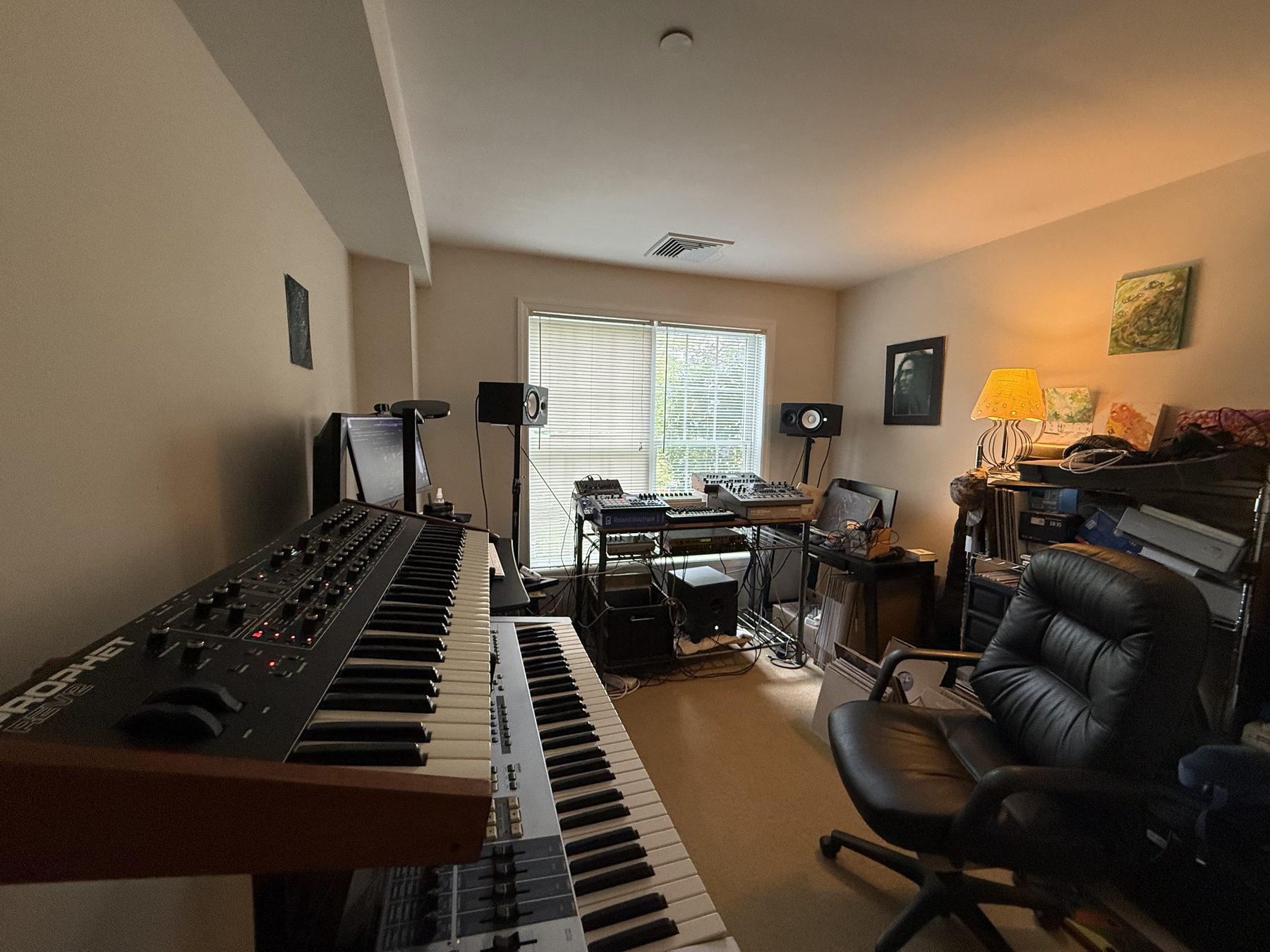
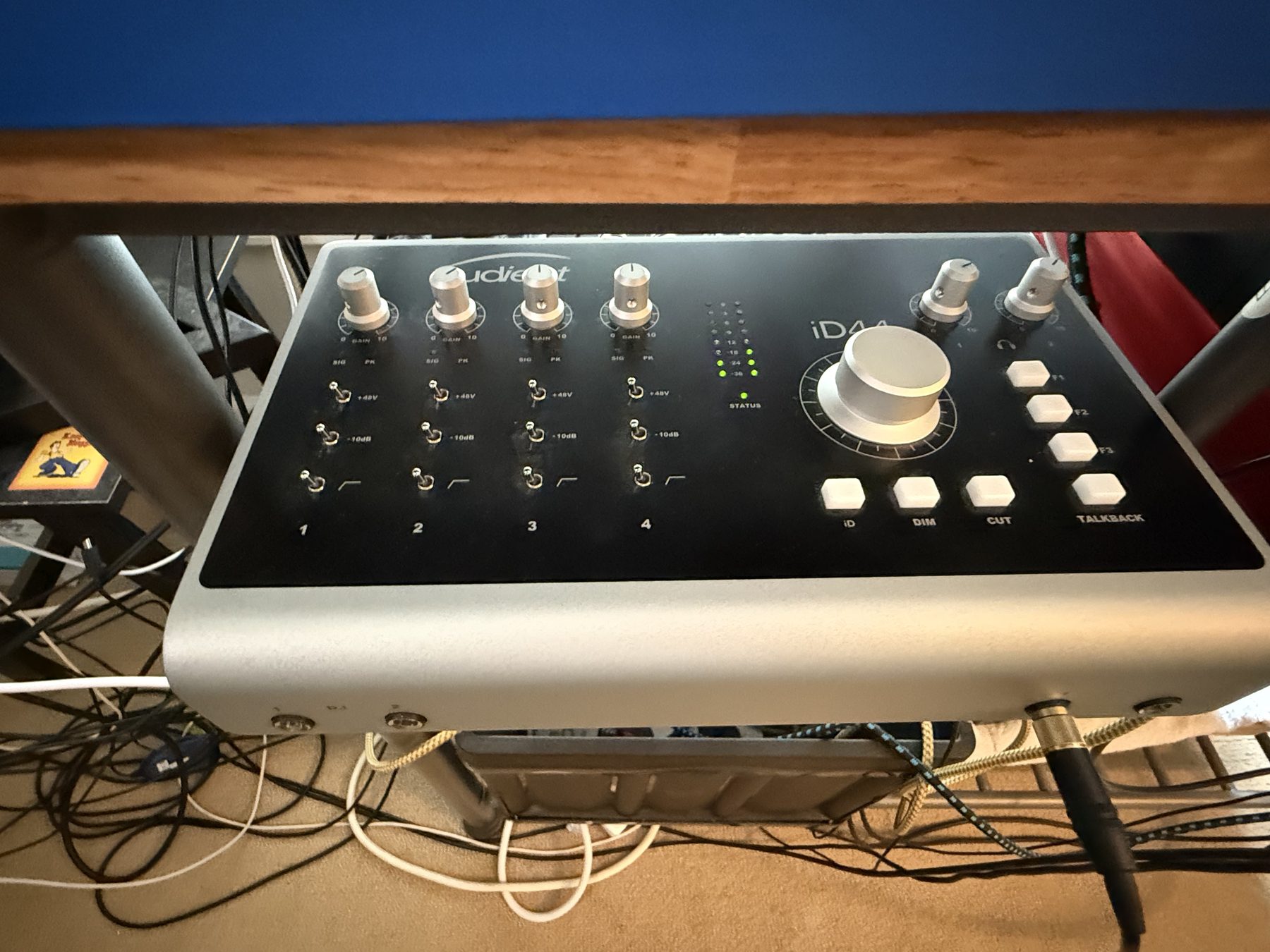
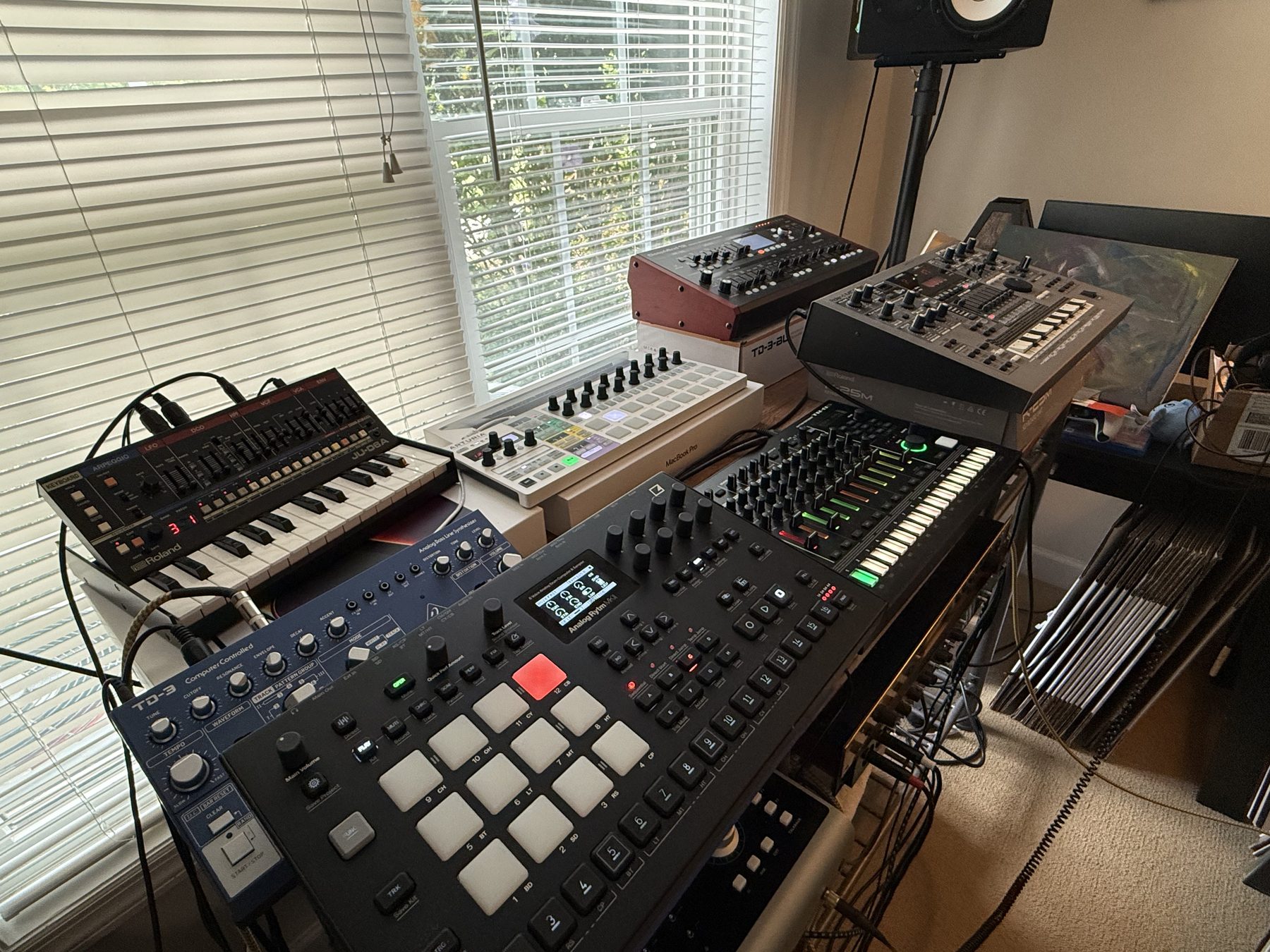
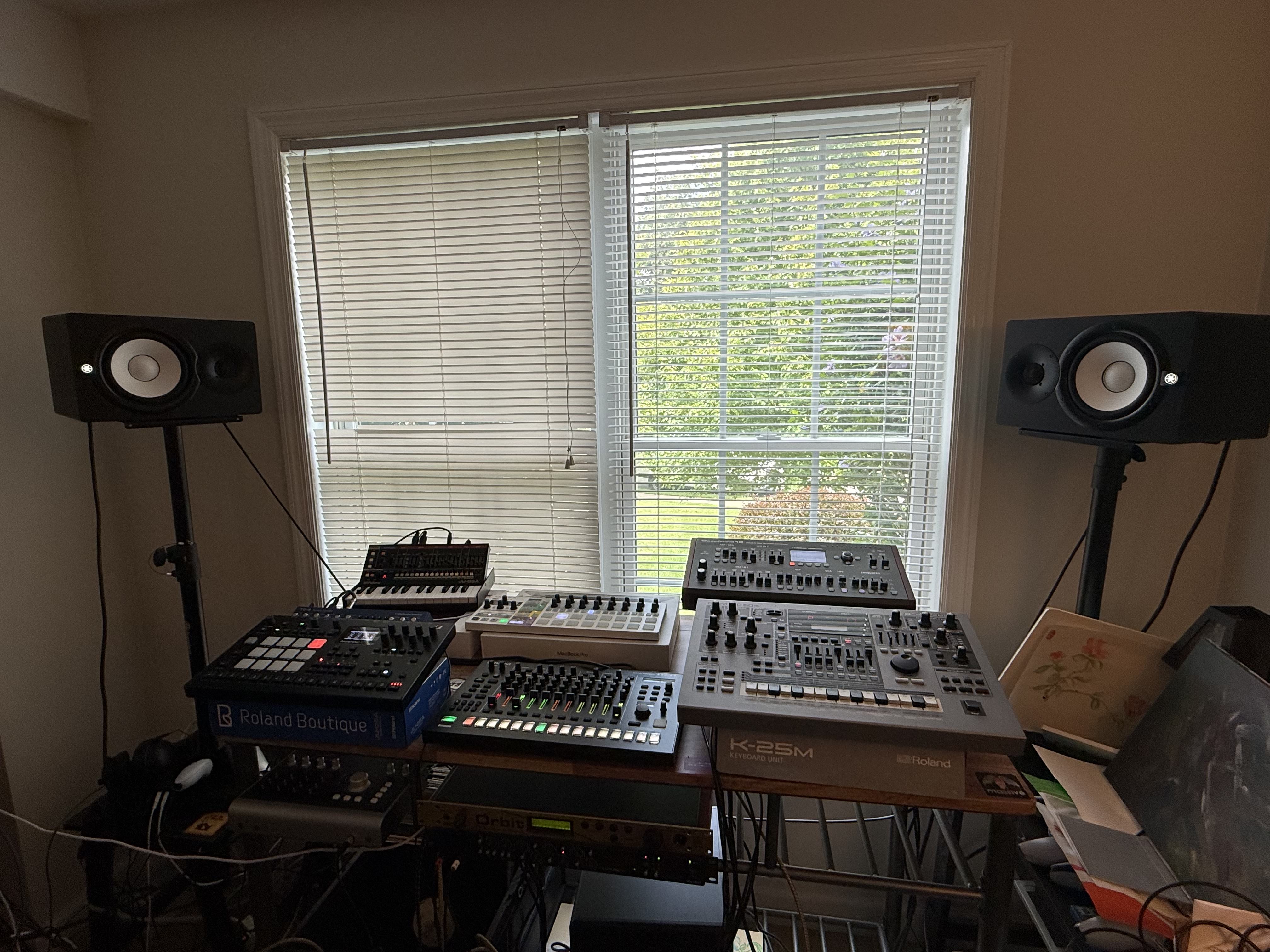
A hardware-heavy system centred on Ableton Live 12, with the Audient iD44 and Scarlett OctoPre handling the audio side and a wide range of drum machines, synths and controllers feeding the workflow.
VIEW IMAGE
Lucho's favourite machine and go-to for classic patches, keys, pads, pianos, organs and musical FX.
 VIEW IMAGE
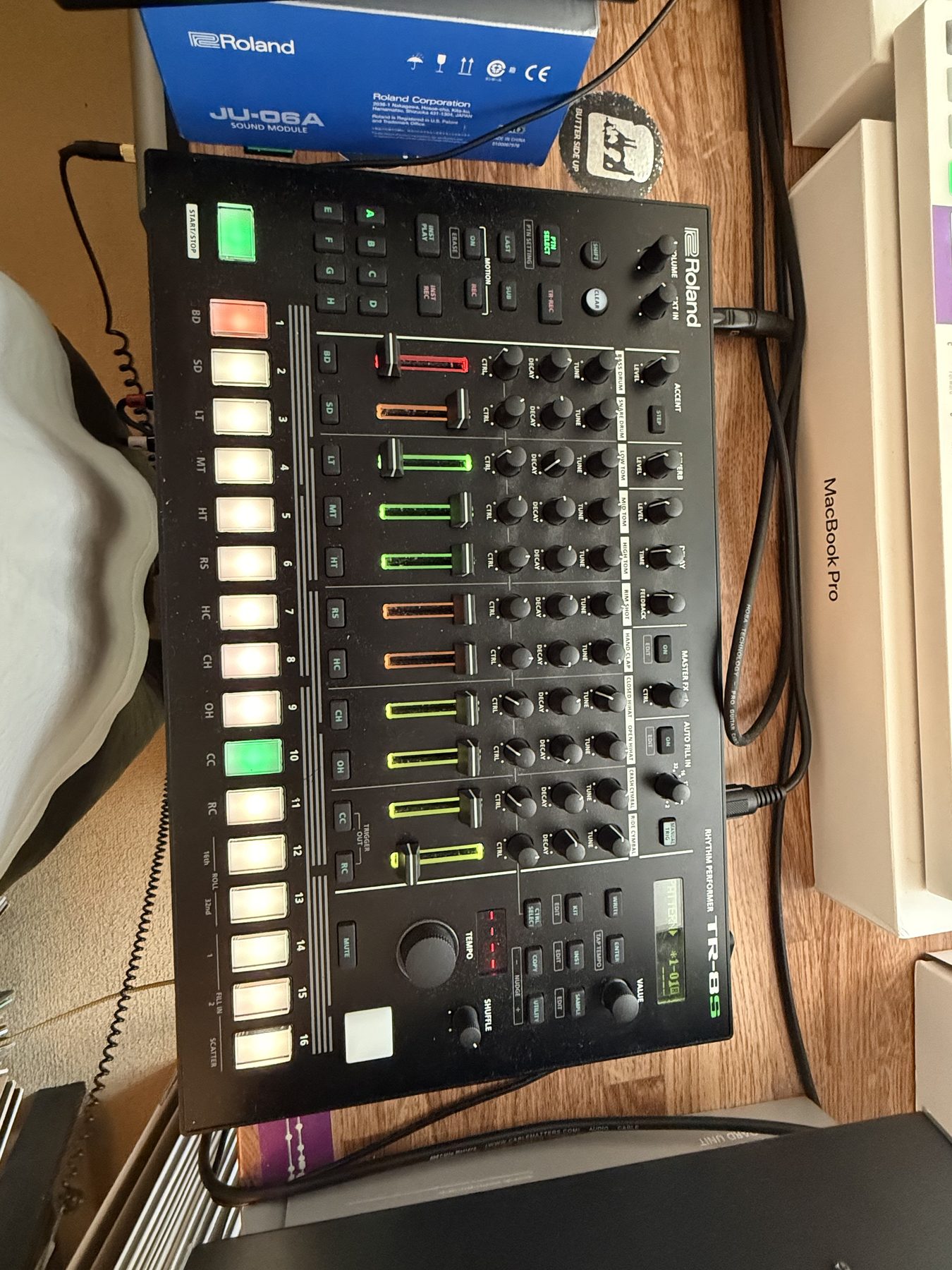
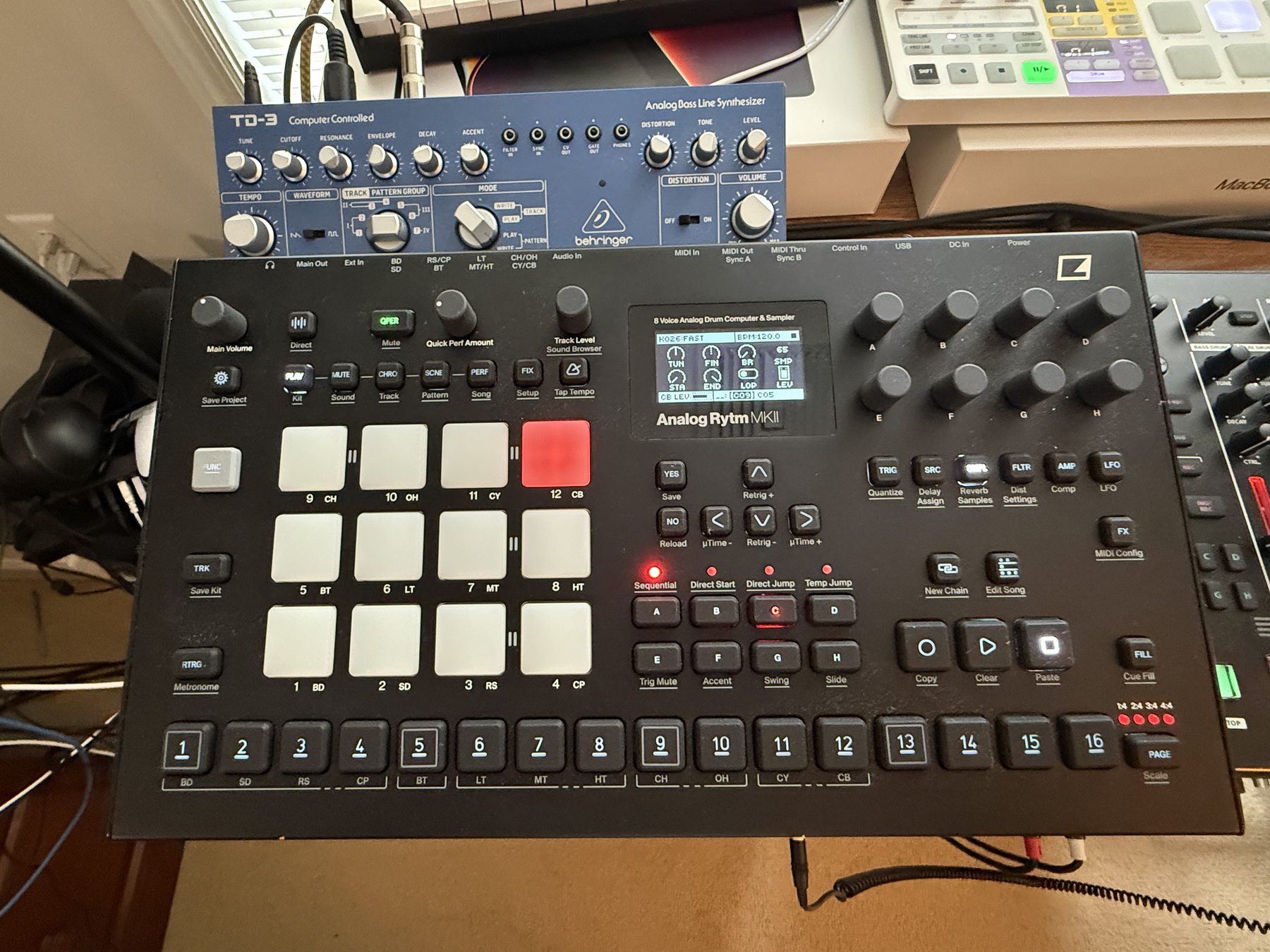
Part of the drum side of the system, used alongside the MC-505, Elektron Rytm MKII and KO II.
 VIEW IMAGE
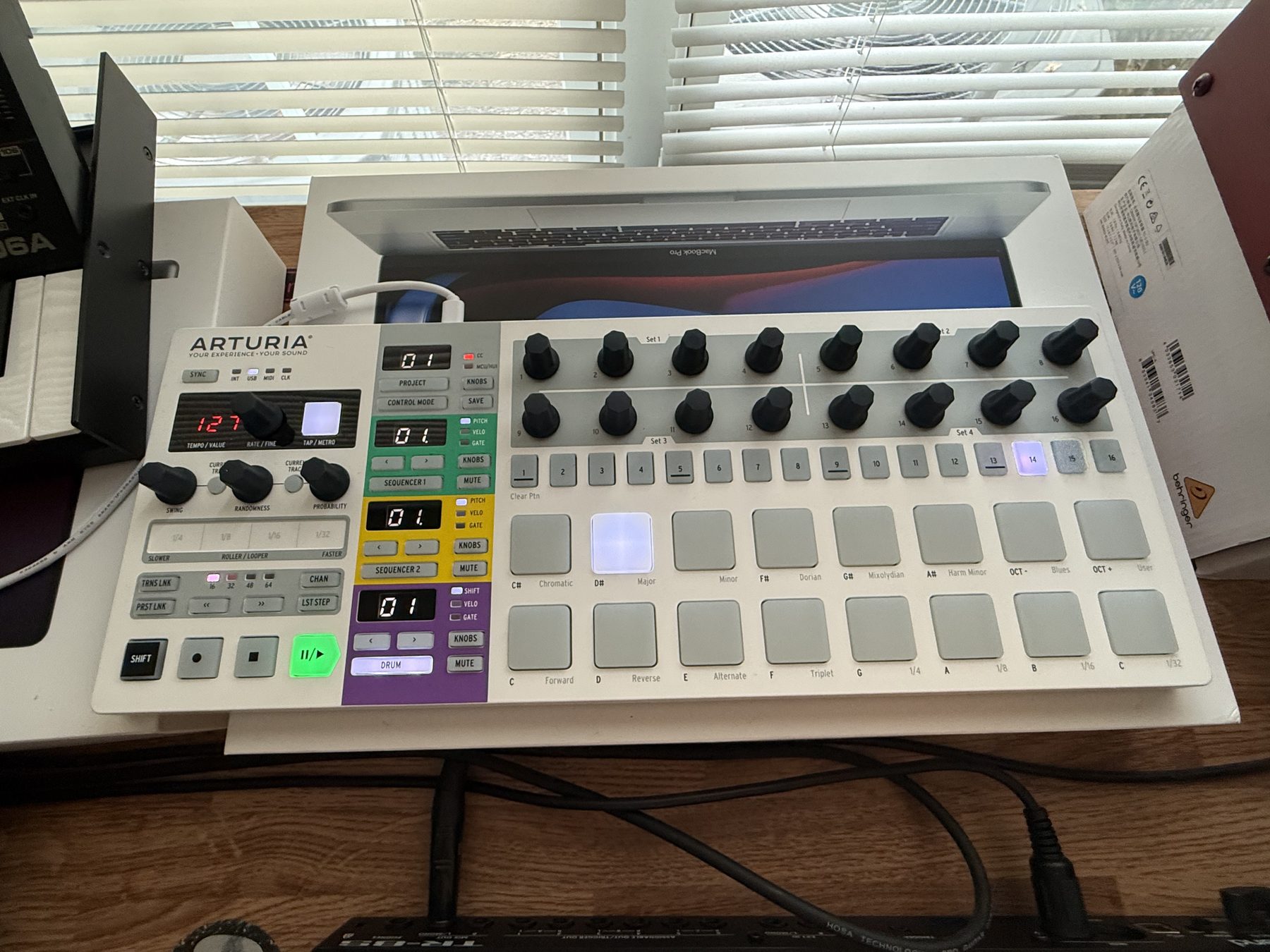
A dedicated controller within a setup whose MIDI master is Ableton Live 12.
The wider setup is deliberately varied: multiple drum machines and synths are used differently depending on the track and the mood, with MIDI and audio routing keeping the system connected.
 VIEW IMAGE
 VIEW IMAGE
 VIEW IMAGE
 VIEW IMAGE
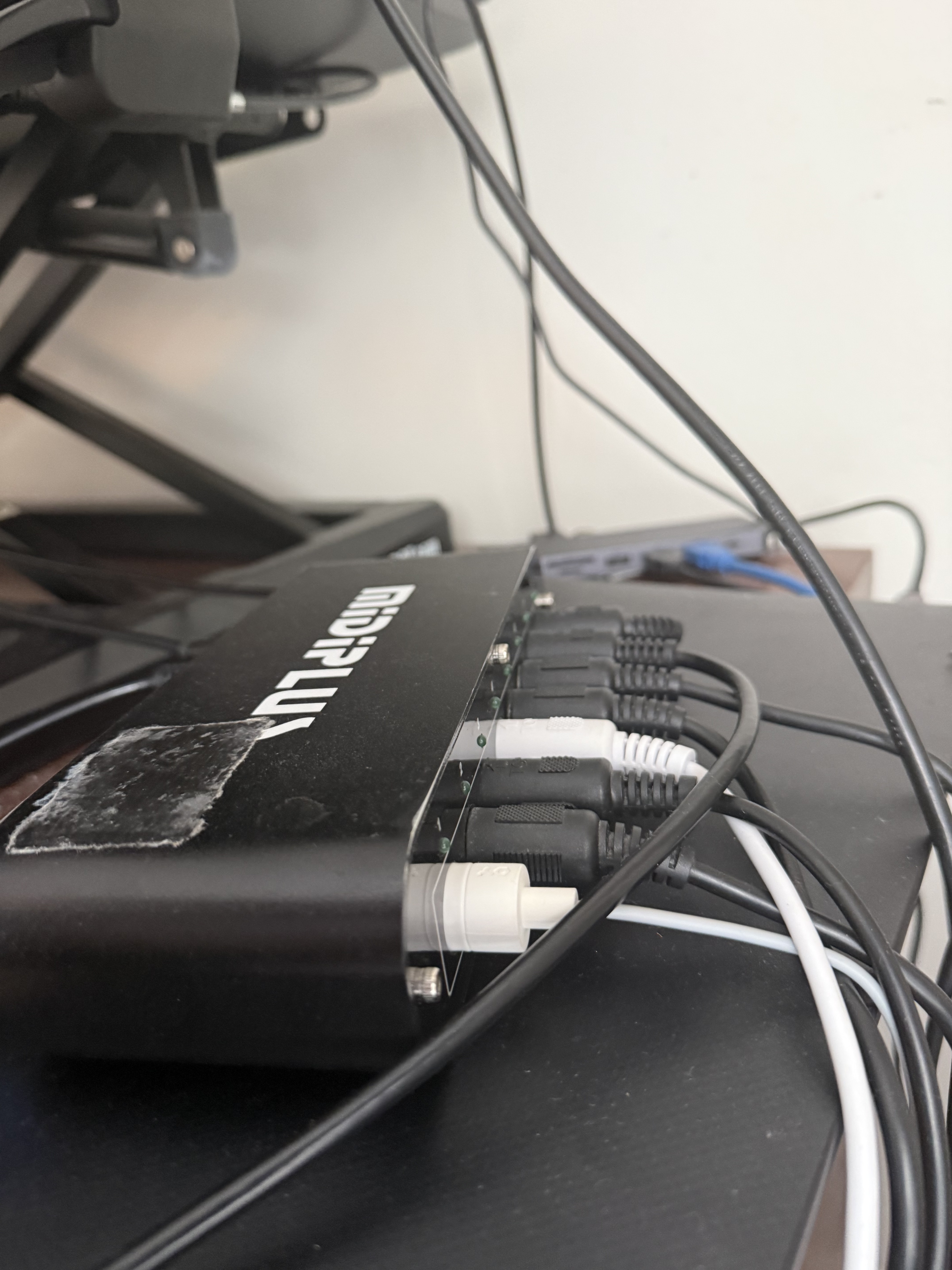
Ableton Live 12 fires the clock and the gear is connected through the MidiPlus 8 box, with assignable MIDI channels.
Audient iD44 is connected to the Focusrite Scarlett OctoPre via ADAT for eight additional digital inputs.
TR-8S, MC-505, Elektron Rytm MKII and KO II are used in different combinations for drum elements and lines.
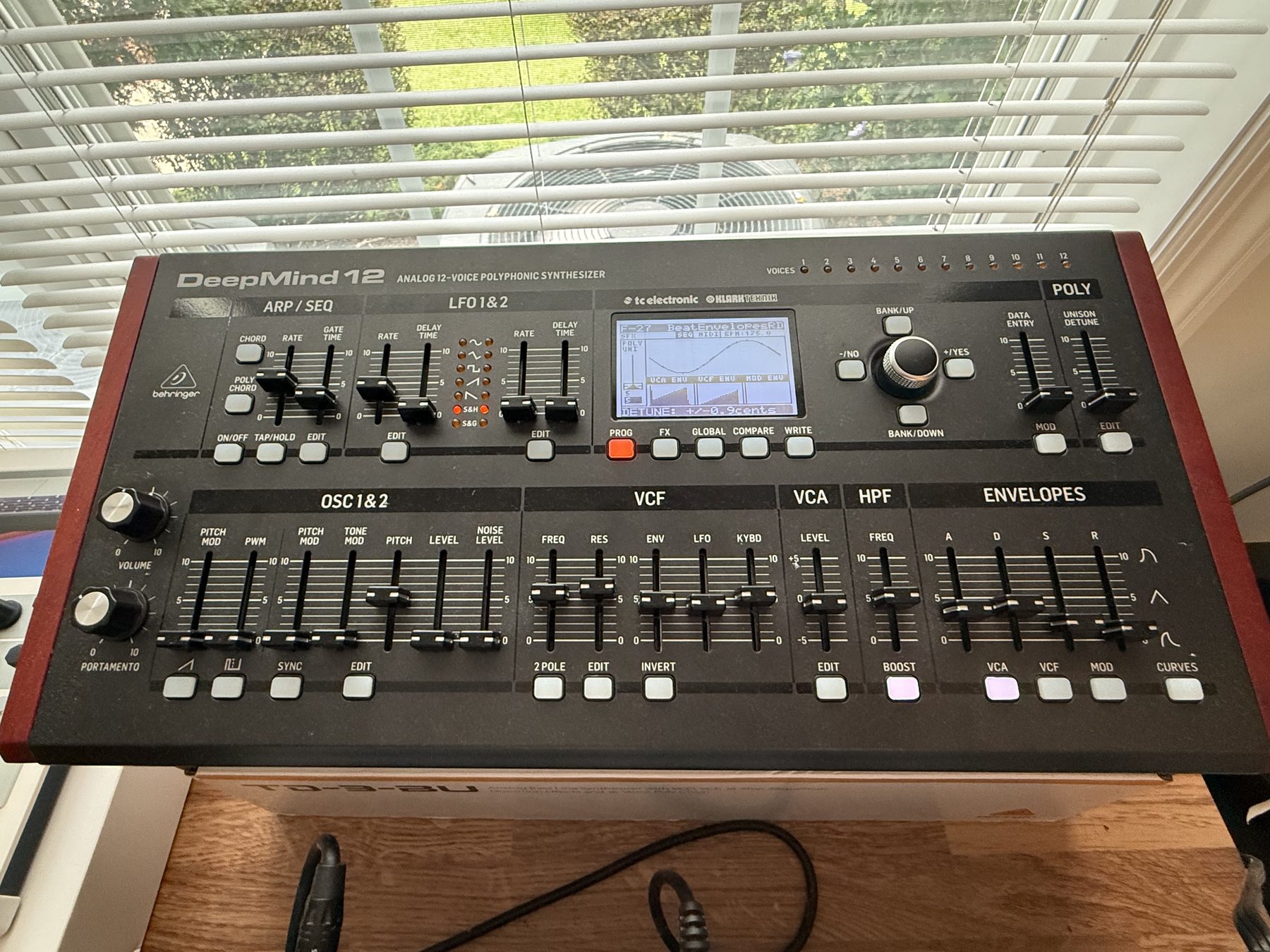
DeepMind, Motif, Prophet Rev2, Orbit, Juno and TD-3 cover leads, pads, bass, FX and other sounds.
“Mainly use hardware to jam and record components that I then arrange into full playable club tracks.”
The hardware is not treated as a fixed hierarchy. Lucho uses different pieces in different ways, with the aim of pulling a useful pattern or musical component out of each machine.
 VIEW IMAGE
 VIEW IMAGE
“Started off in a DAW then learned about audio routing and midi routing as I purchased more and more.”
The setup developed from DAW-based production into a broader hardware system, with audio and MIDI routing becoming increasingly important as more drum machines and add-ons were introduced.
“Turn on the machines, start live looping, coming up with drum patterns, basslines, chords, melodies and try to create something that makes me dance.”
The process starts with live looping and improvisation. Once there are enough components that are in tune — or in tune enough — Lucho moves into arrangement mode, mostly laying out the track in 16-bar loops with some deviations.
 VIEW IMAGE
Favourite machine, first machine / synth and the hands-on technique that keeps the process moving.
Yamaha Motif ES6 — classic patches, pads, keys, pianos, organs and musical FX.
Dave Smith Prophet Rev2.
Live looping, improvisation and playing drums and basslines rather than writing them out in MIDI.
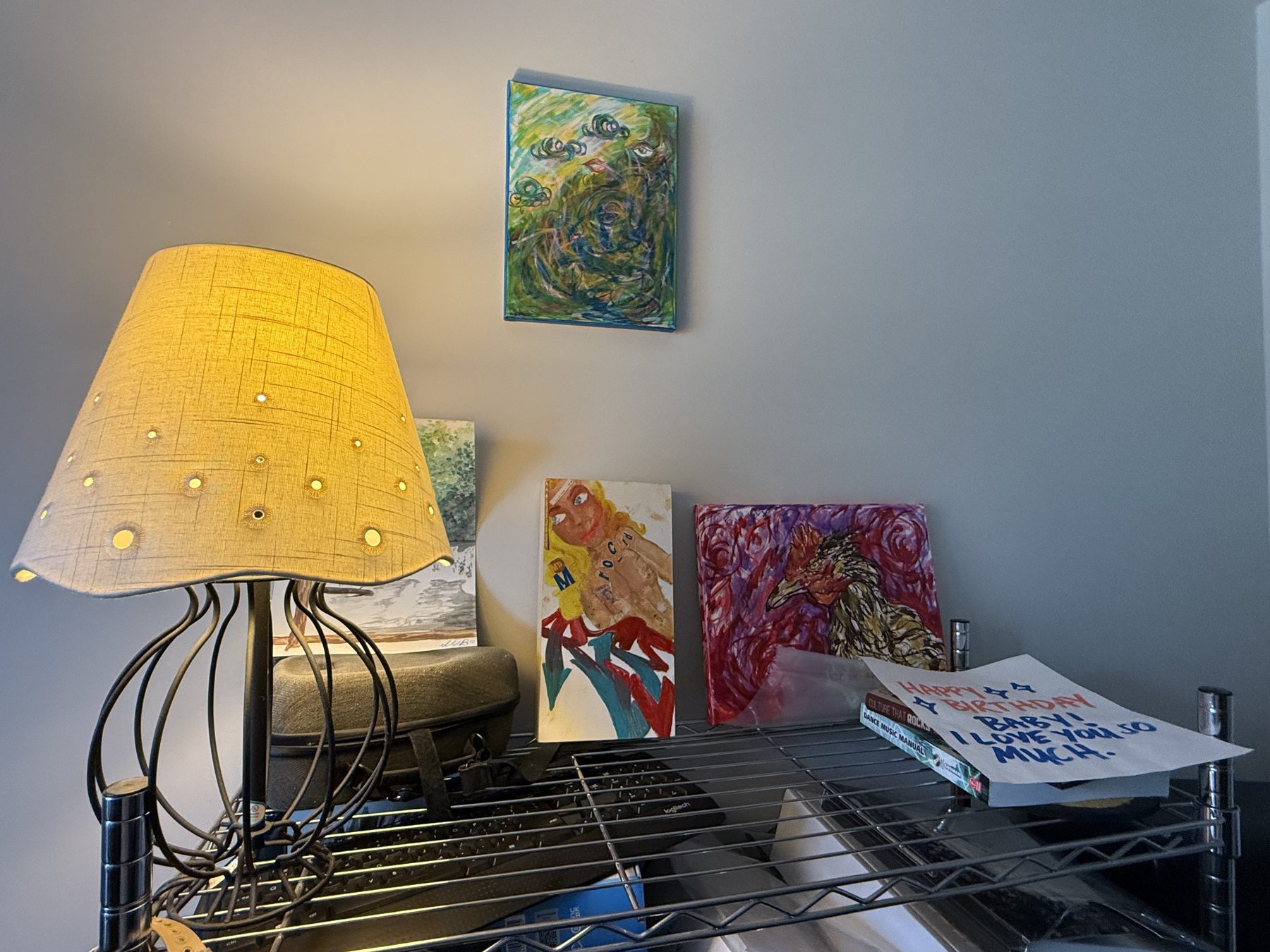
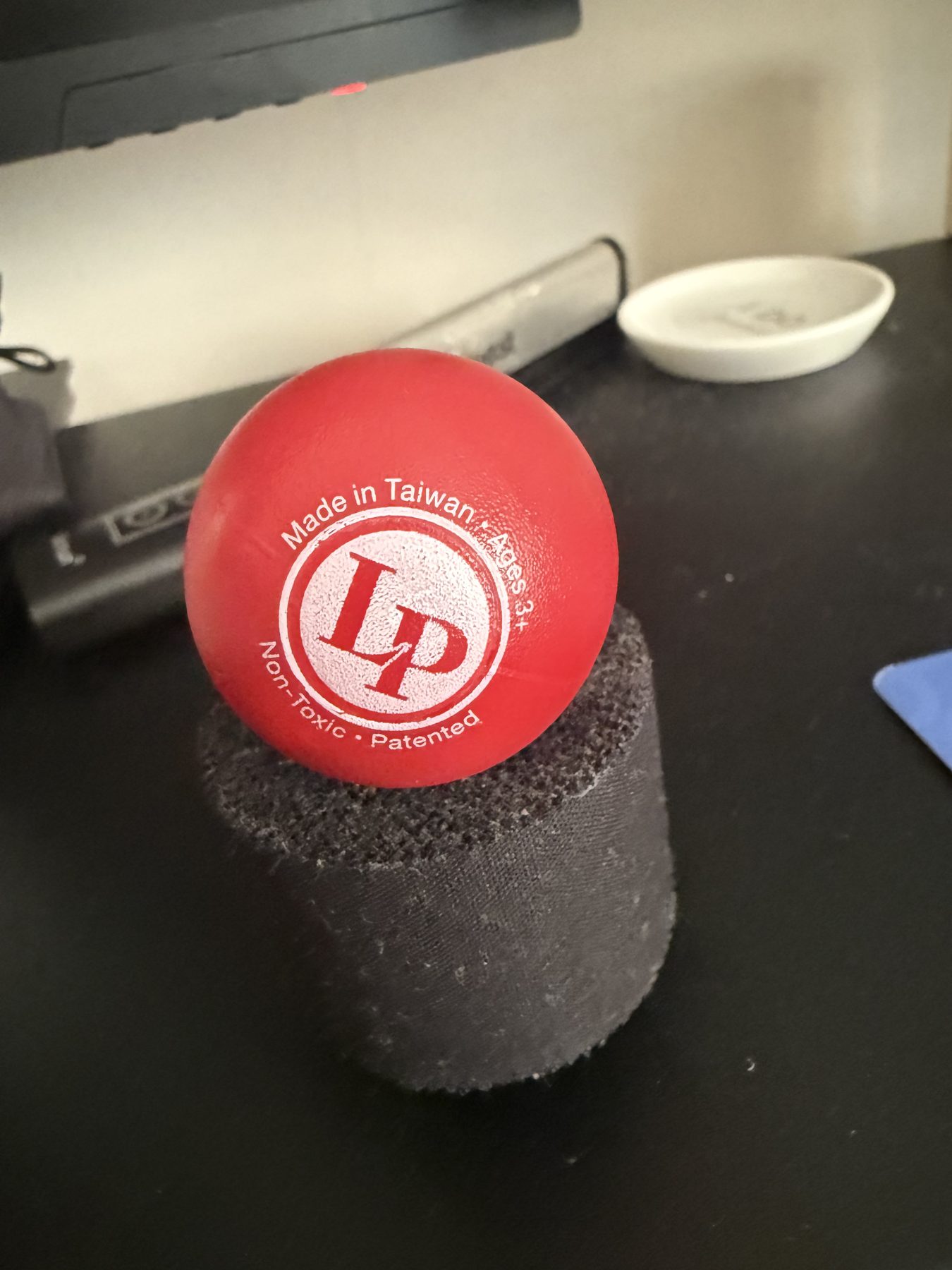
Small details from the room: collected artwork and a red shaker that helps Lucho get into rhythm and into the mood for music.
 VIEW IMAGE
 VIEW IMAGE
 VIEW IMAGE